
Short Course Bios
-
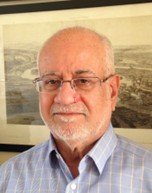
Dr. Roger Basu
Dr. Roger I. Basu is a structural engineer with more than 45 years’ experience. His early experience was in the structural design and analysis of buildings, bridges, and offshore structures. For the last 35 years his focus has been exclusively on ship and offshore structures. His experience includes work in specialist areas including vibrations, fatigue & fracture and risk and reliability.
His recent experience includes two years teaching various subjects at Webb Institute which he joined in 2012 after retiring from the American Bureau of Shipping (ABS), Houston, Texas after a 15-year career. Prior to that he worked for 10 years at a naval architectural firm in Ottawa, Canada. At ABS Roger held several positions and retired as the Director of Shared Technology responsible for the development of technologies applicable to both marine and offshore sectors. In 2013 he started his own company, Roger Basu & Associates Inc., based in Toronto, Canada. He is the President of the company and works on various consulting assignments.
Roger holds a Ph.D. in structural engineering from the University of Western Ontario. He is a Professional Engineer registered in the Province of Ontario and is a Fellow of the Society of Naval Architects and Marine Engineers.
-
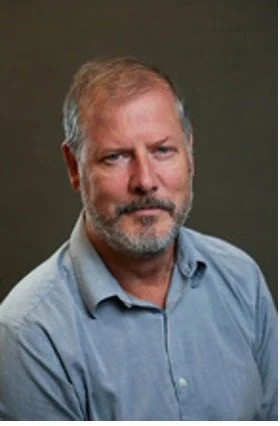
James Bond
Based in Ottawa, Canada, James has been involved in the creation of standards and regulations for ships with a focus on Polar shipping throughout his 40+ year career, including 15 years at the American Bureau of Shipping. James represented the International Association of Classification Societies (IACS) at the IMO on Polar Code, was a member of the IACS project team that created the Polar Class structures rules, chaired the IACS Expert Group for Polar Code. He is a University of Waterloo graduate, a register Professional Engineer and a Fellow of the Society of Naval Architects and Marine Engineers.
In late 2025 James became the Director of the Icebreaker Centre of Excellence with Chantier Davie Canada Inc (Davie).
-
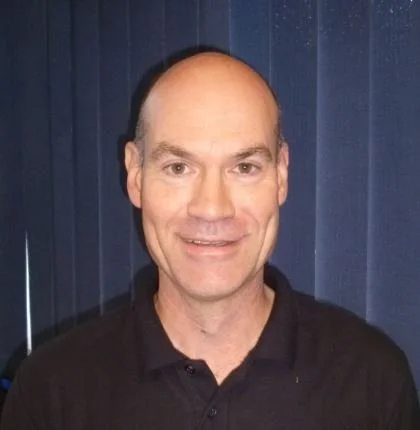
Lindsay Butler
Lindsay Butler is a Principal Electrotechnical Specialist, being with Lloyd’s Register (LR) in two spells since 1991. He has worked extensively in the marine and oil & gas industries worldwide, including postings to Canada.
Since 2009, Lindsay has been based in Glasgow, Scotland, initially as a Lead Electrotechnical Specialist. In some projects of note, he was the Electrical Technical Lead Surveyor on the Queen Elizabeth Class (QEC) Aircraft Carrier project, and Project Manager for Ferguson Shipbuilders Diesel Electric/Battery Hybrid Passenger Ferry project. In 2015, Lindsay became a Principal Electrotechnical Specialist where he is responsible for co-ordinating a team of specialist Electrical, Control and Systems Engineers throughout the region. He’s also an Electrical Technical Lead Surveyor for Type 26 and Type 31 Frigate projects and provides specialist technical advice to clients with particular emphasis on Novel Designs, Hybrid Propulsion and Dynamic Positioning Systems.
Lindsay holds a BEng in Electronics and Electrical Engineering from the University of Edinburgh and an MSc in Offshore Engineering from Robert Gordon University in Aberdeen. He is a Chartered Electrical Engineer (Institution of Electrical Engineers), is a Member of the Institute of Engineering & Technology and a Member of the Energy Institute. Lindsay is also an LR Representative on the Marine Technology Society (MTS), Dynamic Positioning Committee.
-

Dr. Claude Daley
Dr. Claude Daley is currently a Professor in the Ocean and Naval Architectural Engineering Program at Memorial University. He is a former Associate Dean for Research for the Faculty of Engineering and Applied Science and a former Chair of the Ocean and Naval Architectural Engineering Program. He has led several large arctic shipping research projects at MUN, including the GEM and STePS2 projects. Dr. Daley has been working in the area of cold regions Engineering since 1979. He specializes in ice class ship structures and was a member of the working group that formulated the IACS Polar Rules, which are the world construction standard for ice going ships. He was awarded the Davidson Medal by the Society of Naval Architects and Marine Engineers in 2018. The Davidson Medal is awarded every two years, for outstanding contributions to ship research.
-

John Dolny
John Dolny has over 15 years of professional engineering experience working in the marine industry. He currently holds the position of Production Engineering Manager at Irving Shipbuilding (ISI) working on the Arctic Offshore Patrol Ships (AOPS) project for the Royal Canadian Navy and variant hulls for the Canadian Coast Guard. Production Engineering is responsible for the overall build strategy of hulls under construction, the hull production design, and all engineered lifts / product transportation between the shipyard’s 3 main facilities. John joined ISI in September 2018 as a Sr. Structural Engineer where he was responsible for the AOPS’s basic structural design.
Prior to ISI, John worked for Gibbs and Cox Inc., a naval architecture firm that specializes in designing surface warships, where he supported the AOPS program at ISI as well as various design projects for US customers.
John previously held various engineering positions at the international classification society American Bureau of Shipping (ABS) in Houston, TX and St. John’s, Canada where he was responsible for managing and supporting applied research projects with industrial, academic, and government partners related to offshore and marine engineering in ice environments.
John is a graduate of Stevens Institute of Technology with a degree in Naval Engineering and also holds a master’s degree in Naval Architecture and Marine Engineering from Memorial University of Newfoundland. He is a registered Professional Engineer (P.Eng) in Nova Scotia.
-
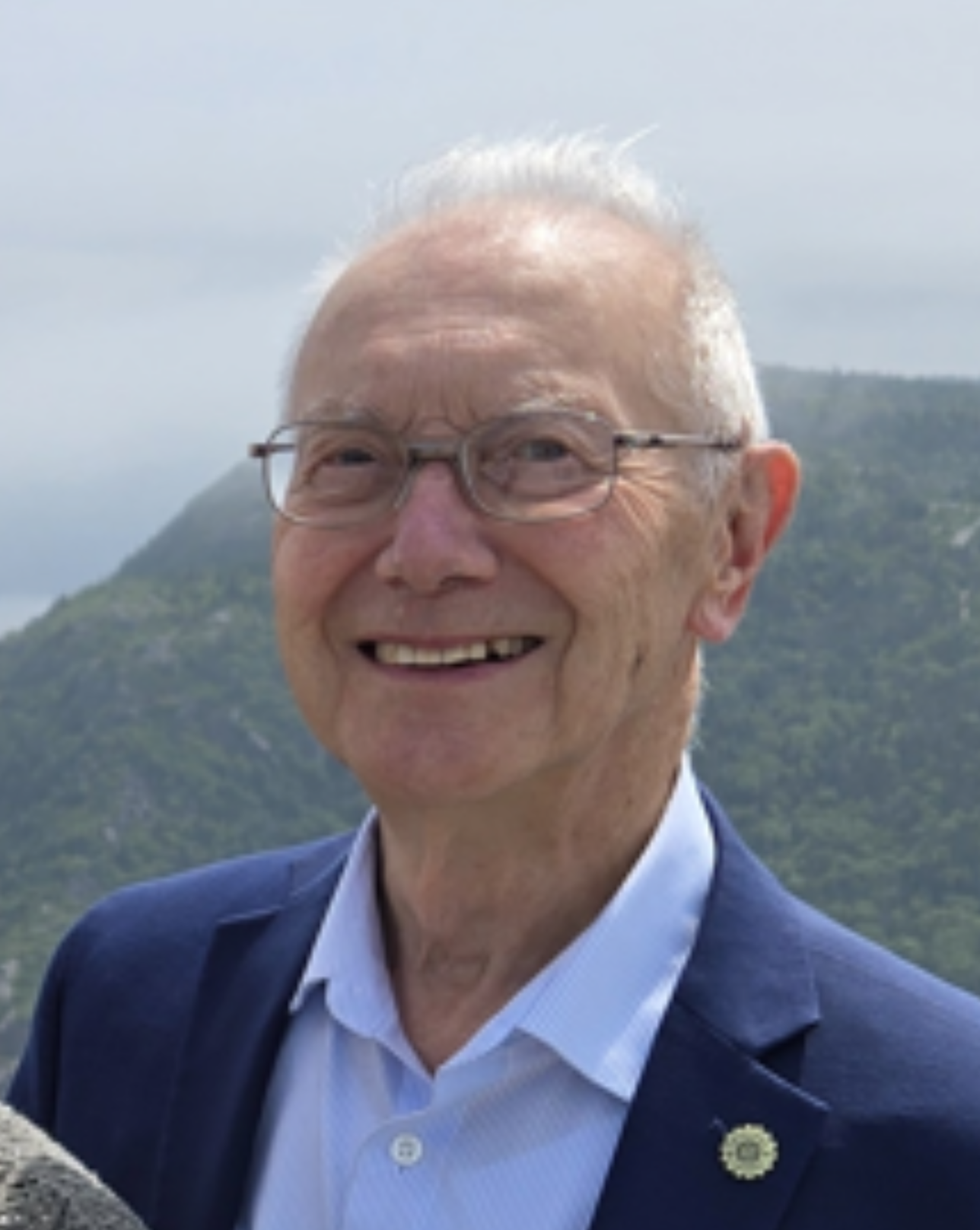
Dr. Robert Frederking
Robert Frederking has over 55 years’ experience at the National Research Council conducting research on ice engineering, ice mechanics and cold regions engineering. He has carried out laboratory, field and analytical research on the forces generated by floating ice on offshore structures. He has been involved in the planning, measurement and analysis of global and local ice loading on ships. Has led a number of field expeditions to measure ice characteristics and forces on offshore and port structures in the Arctic and managed several international collaborative research projects. His research has helped better define global ice loads on offshore structures and local ice pressure distributions on ships and offshore structures. Has served on numerous advisory committees and has also assisted regulatory agencies in the assessment of ice loading on structures such as the Beaufort Sea exploratory drilling platforms and the Confederation Bridge. He has chaired the Canadian Standards Association Technical Committee K157 that coordinated Canadian contributions to the development and maintenance of the ISO 19900 series of offshore structures standards. He most recently led the Technical Panel revising the ice actions clauses of ISO 19906 Arctic offshore structures. He currently Chairs the Standards Council of Canada Mirror Committee to ISO TC67/SC7 Offshore structures as it expands its scope to include offshore wind energy. His research results have been communicated to the technical community through more than 200 contract reports, conference papers and journal articles. He has a B. Sc. (Eng.) from the University of Alberta, M. Sc., University of London, and a Ph.D. from the University of Illinois in 1968.
-

Robert Gage
Robert Gage joined Robert Allan Ltd in 2015 after graduating from the University of British Columbia with a Master of Engineering in Naval Architecture and Marine Engineering as well as a B.A.Sc. in Integrated engineering. Robert is a Project Manager, and Team lead naval architect at Robert Allan Ltd. During his time with the company he has had extensive work in ship stability with expertise in GHS. Robert is responsible for overseeing work completed on the naval architecture design team, including hull form development, stability analysis, structural design, and parametric 3D modelling. He has particular interest in aesthetic design and unconventional hull forms, both of which he has used in his development of designs intended for use in the offshore wind industry. Robert also assists in business development and is a member of several technical groups within the office.
-
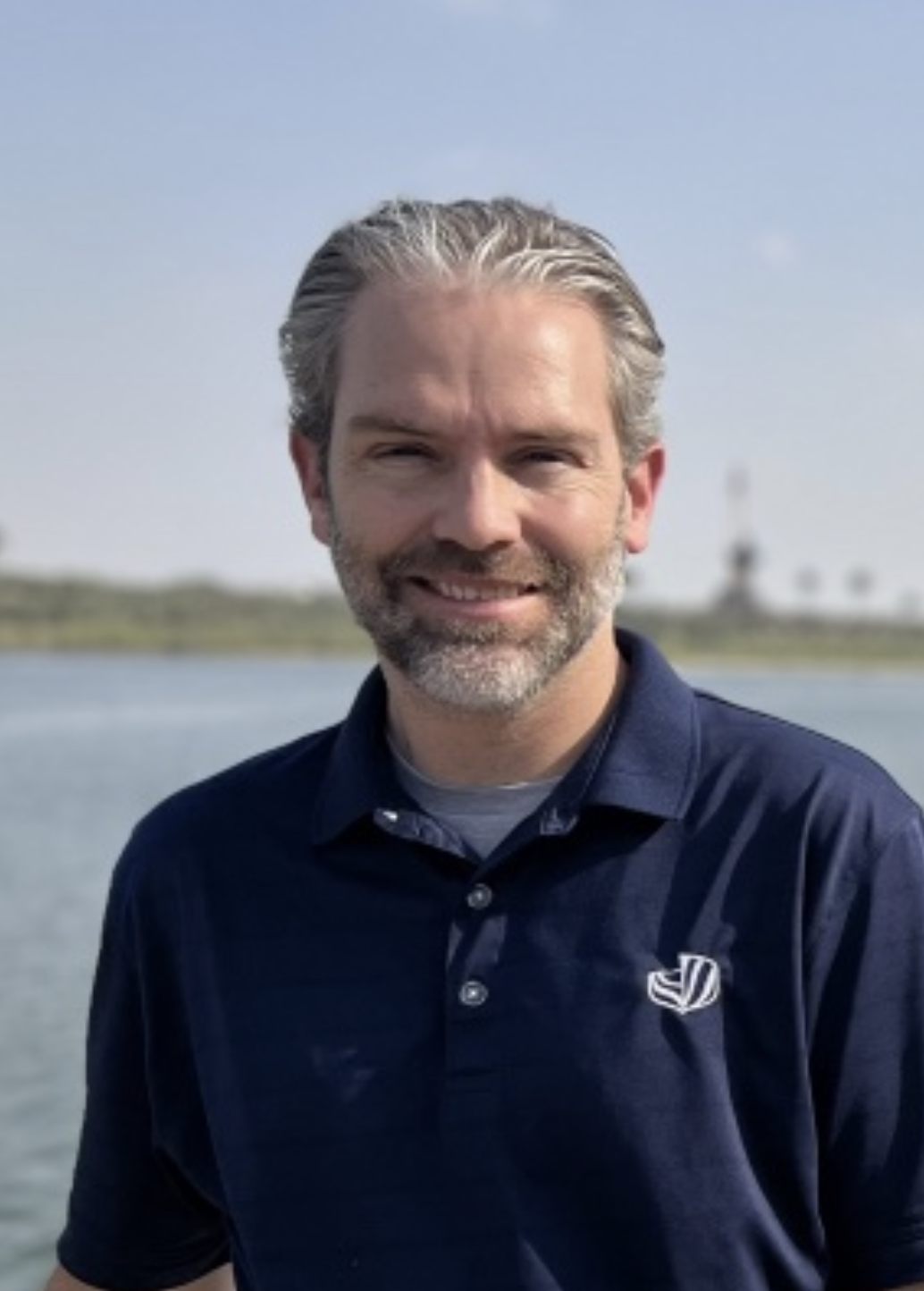
Darren Hass
Darren joined Robert Allan Ltd. in 2000 after graduating from the University of British Columbia. Darren holds a B.A.Sc. in Mechanical Engineering with specialization in Naval Architecture. Over the last 23 years, Darren has worked on a variety of projects responsible for all aspects of naval architecture, machinery, propulsion and system design in new and existing vessels. Darren is currently a Project Director and is the Chair of Stability Group at the company. Darren is a registered Professional Engineer in BC and Alberta as well as a Transport Canada Appointed Tonnage Measurer.
-

Dan McGreer
Dan McGreer is a Professional Engineer in BC and an adjunct professor at the University of British Columbia in the Naval Architecture and Marine Engineering (NAME) program where he teaches courses on Ship Design. Before that Dan worked for over 30 years as a Principal Naval Architect at Vard Marine. He has been involved in all aspects of ship design such as preliminary concept development, contract design, ship performance assessment, computational fluid dynamics, marine system design and ship model testing and trials. Dan graduated in 1983 from the University of British Columbia in Mechanical Engineering with a Naval Architecture Option. Dan has worked on numerous ship design projects while at Vard Marine including managing the design of the Chilean Antarctic Vessel, the Canadian Coast Guard Polar Icebreaker, the Canadian Navy Arctic Offshore Patrol Ships, and the NZ Navy Offshore Patrol Vessels.
Dan is also very active in the Association of BC Marine Industries (ABCMI) and the Society of Naval Architects and Marine Engineers (SNAME).
-
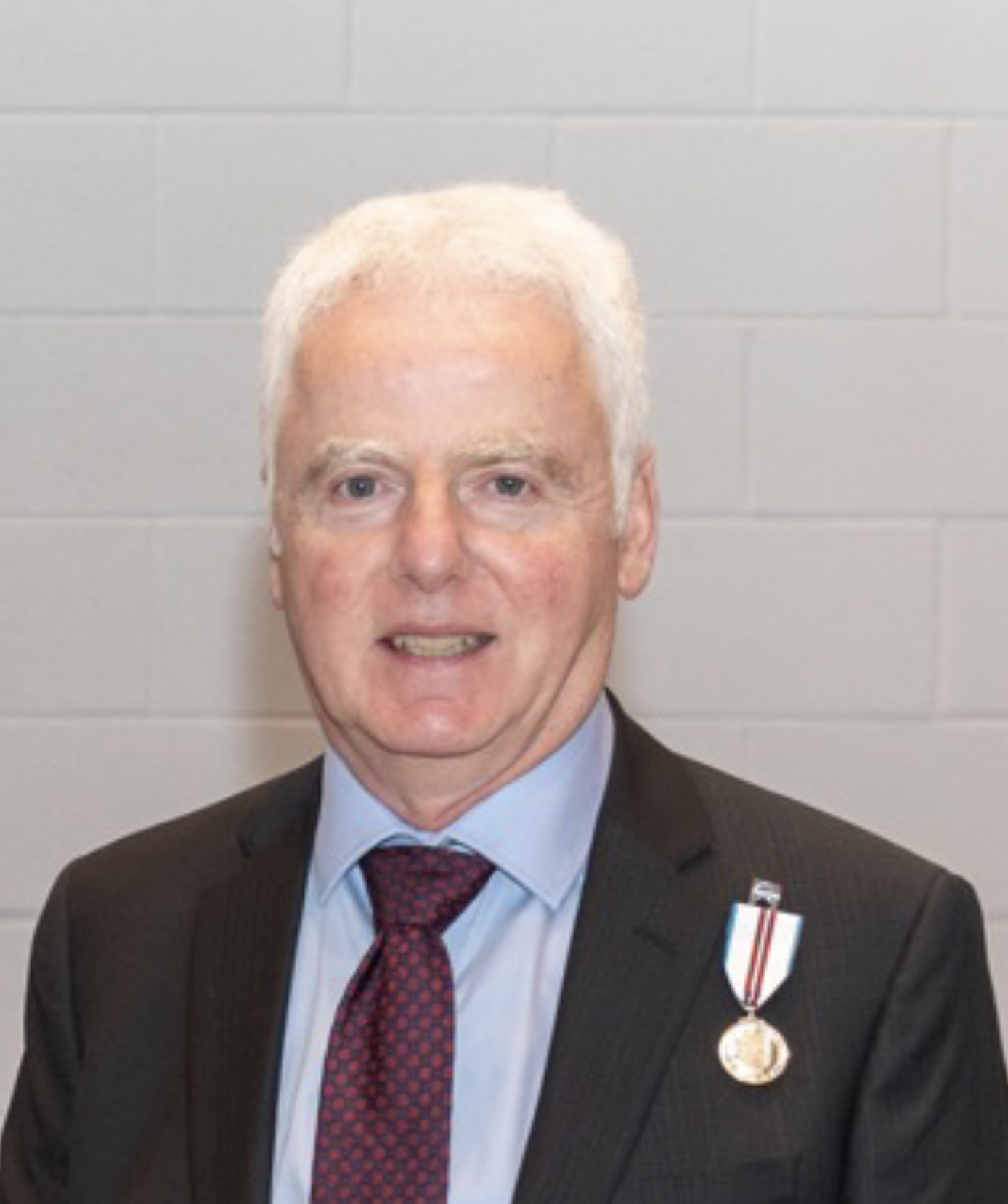
Dr. Kevin McTaggart
Dr. Kevin McTaggart completed his doctorate in Civil Engineering in 1989, specializing in offshore hydrodynamics at University of British Columbia. He then commenced his career as a Defence Scientist with Defence Research and Development Canada in Halifax, where he retired from full-time work in 2025 but continues on a part-time basis. His areas of research include ship motions in waves, ship maneuvering, launch and recovery, and application of simulation to ship design and operation. He has served in leadership roles for development of international standards for ship seakeeping and maneuvering. He was elected as a SNAME Fellow in 2015. In 2023 he was awarded a Queen Elizabeth II Platinum Jubilee Medal in recognition of his contributions to Canada.
-

Prof. Jon Mikkelsen
Jon Mikkelsen is a Professor of Teaching of Mechanical Engineering at the University of British Columbia. He is the Director of Naval Architecture and Marine Engineering established to support the shipbuilding industry in Canada. His teaching responsibilities include Naval Architecture, Engineering Design, and Marine Engineering. His scholarly and professional activities are primarily focused on the areas of Naval Architecture/Ocean Engineering, Sustainable Fishing Gear Design, and Engineering Education. Jon is active in several professional organizations and has recently served as technical chairperson of the Ocean, Offshore, and Arctic Engineering Division of the American Society of Mechanical Engineers and has been elected as a Fellow of the Society of Naval Architects and Marine Engineers. Jon is a strong supporter of extra-curricular design activities and serves as faculty advisor for several UBC student teams including UBC Sailbot, UBC Supermileage, and UBC Human Powered Submarine Team.
-

Dr. David Molyneux
Dr. David Molyneux is an associate professor in the Department of Ocean and Naval Architectural Engineering at Memorial University. Prior to that he spent over 30 years managing projects in public and private research organizations, with an emphasis on the performance of ships. This work routinely required carrying out model experiments and supervising full scale trials for ships. His work has covered predicting and optimizing the resistance and powering requirements of small boats, fishing boats, tugs, bulk carriers, tankers, warships, and icebreakers. He is a registered professional engineer (Newfoundland and Labrador) and he is currently Vice-President Americas for the Royal Institute of Naval Architects.
-
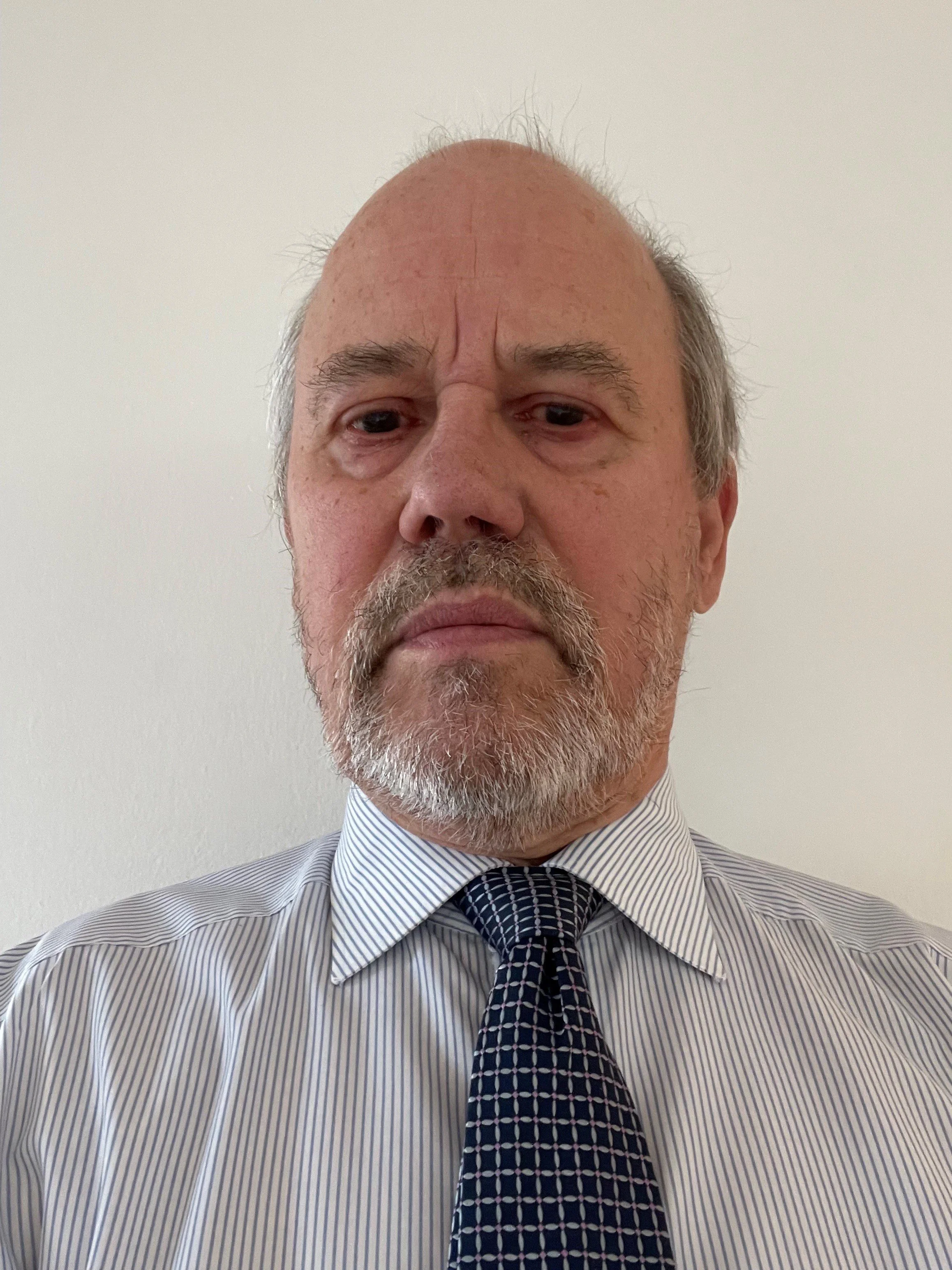
Dr. Kaj Riska
Kaj Riska has more than 50 years of practise in Arctic marine technology, both as a researcher and practising engineer in various design project. A short timeline to his positions:
M.Sc. 1978 in Mathematics and D.Sc. 1988 in Naval Architecture from the Helsinki University of Technology. Professor of Arctic Marine Structures in the Helsinki University of Technology and after academia director of a ship design company ILS Ltd 2006 - 2012. Professor II at the Norwegian Science and Technology University in Trondheim 2006 - 2021. Joined Total S.A. in June 2012 as ice engineer – first in Extreme Cold group and from August 2015 in TEC/GEO being responsible for the Extreme Cold R&D envelope. Total innovation prize for Arctic LNG carrier in 2014. Chief expert in Ice Engineering in 2017.
Kaj has been a specialist on the Finnish-Swedish Ice Class Rules for the Finnish Maritime Administration bringing the recent research results into rules and formulating especially the hull rules. He contributed to design of several icebreakers and ice breaking ships, and to ice resistant FPSU in the Bohai Bay (with a soft yoke) and the Varandey terminal in the Pechora Sea. Latest design contribution was the Arctic LNG carriers to Yamal LNG. At the Helsinki University of Technology, he was responsible for the large ice laboratory at the university. About 100 refereed articles in scientific journals and a score of conference papers.
-
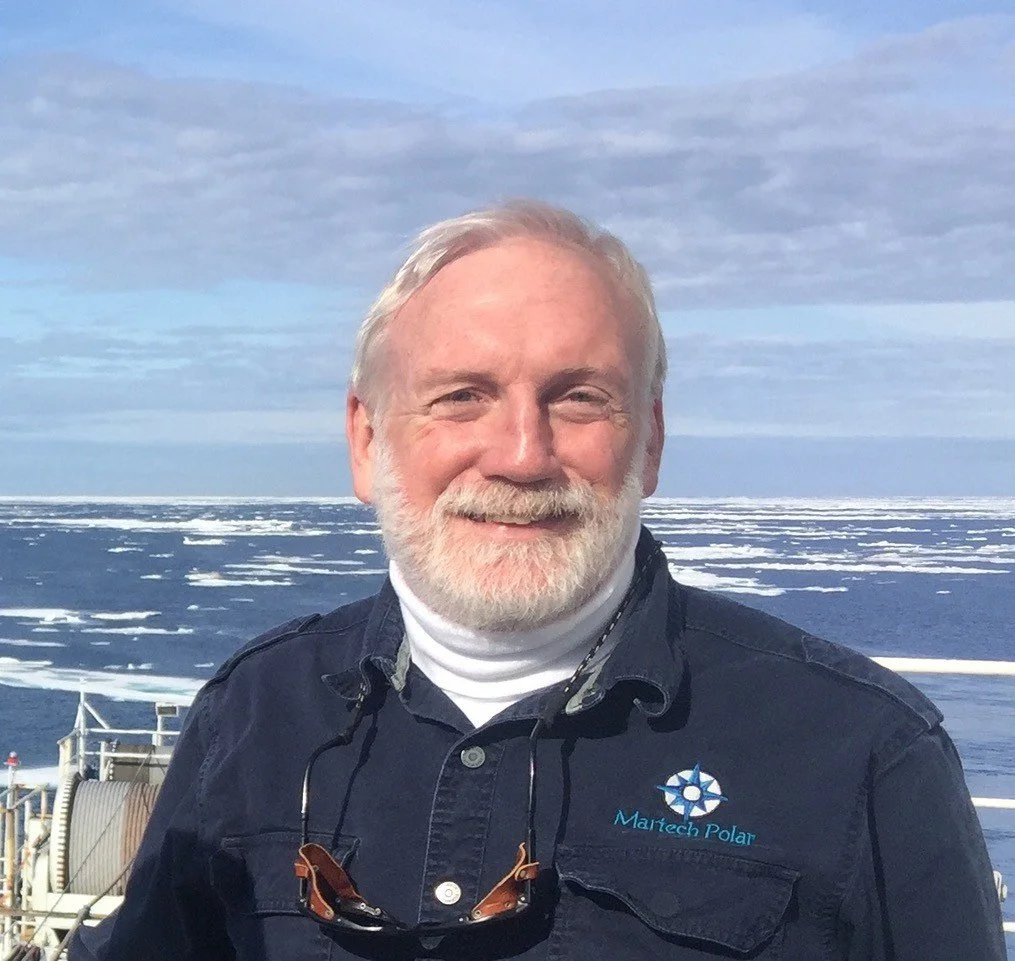
Captain David (Duke) Snider
Captain David (Duke) Snider is the CEO and Principal Consultant of Martech Polar Consulting Ltd, a privately-owned company providing global ice navigation services and support for polar shipping, ice navigation, polar research, expedition logistics support and ice related consulting services. Martech Polar provides Ice Navigators on cargo, research, cruise and expedition ships and private yachts in ice covered waters worldwide. Martech Polar is heavily involved in assisting owners and operators to meet Polar Code requirements through completion of Operational Assessments and Polar Waters Operations Manuals.
Captain Snider is a Master Mariner with over 40 years at sea, operating many vessels in a broad variety of ice regimes in Arctic and Antarctic Polar Regions, the Baltic, Great Lakes and Eastern North American waters. He has served onboard Naval, Commercial and Coast Guard Vessels. He retired from Canadian Coast Guard service as Regional Director Fleet Western Region in 2013 to run his own company. He remains active at sea, holding both Polar Waters Advanced Certificate of Proficiency and The Nautical Institute Ice Navigator Level 2 Certification. As a marine consultant he has extensive experience in authoring and contributing to numerous shipping feasibility studies, as expert witness in marine insurance arbitrations and cases as well as marine industry safety and risk reviews.
As an Ice Navigator Captain Snider has been the author of and contributed to many ice regime shipping feasibility studies as well as numerous papers on ice navigation. The second edition of Captain Snider’s authoritative book Polar Ship Operations was published by the Nautical Institute in 2018 is soon to be released in a Spanish edition. He holds a Bachelor of Maritime Studies degree granted by Memorial University of Newfoundland in 2006 and is a Fellow of the Royal Geographical Society. He was awarded the Queen’s Diamond Jubilee medal in 2011 for his many years as a member of The Nautical Institute dedicated to improving safety at sea, with particular focus on improving standards of ice navigation. His honours also include the Canadian Coast Guard Exemplary Service Medal and the United States Coast Guard Antarctic Service Medal. He was recently awarded the Maritime Museum of British Columbia Beaver Medal for outstanding achievements in polar navigation including roles in promoting internationally recognized ice navigation qualifications and by the Royal Canadian Navy Admiral’s Award for his exemplary service to the marine community in matters related to polar and ice navigation and his contributions to naval excellence.
Captain Snider is the Past President of The Nautical Institute and now sits on the Institute’s Executive Board as Vice Chair and as a member of the Finance and Audit Committee. He is Chair of the Ice Navigator Working Group which is tasked with administering The Nautical Institute's global standard for Ice Navigator Training and Certification Standard. He is a member of The Nautical Institute’s NGO delegation to IMO on matters of ice and polar navigation. He is presently Chair of the British Columbia Branch of The Nautical Institute.
-
Dr. Dan Walker
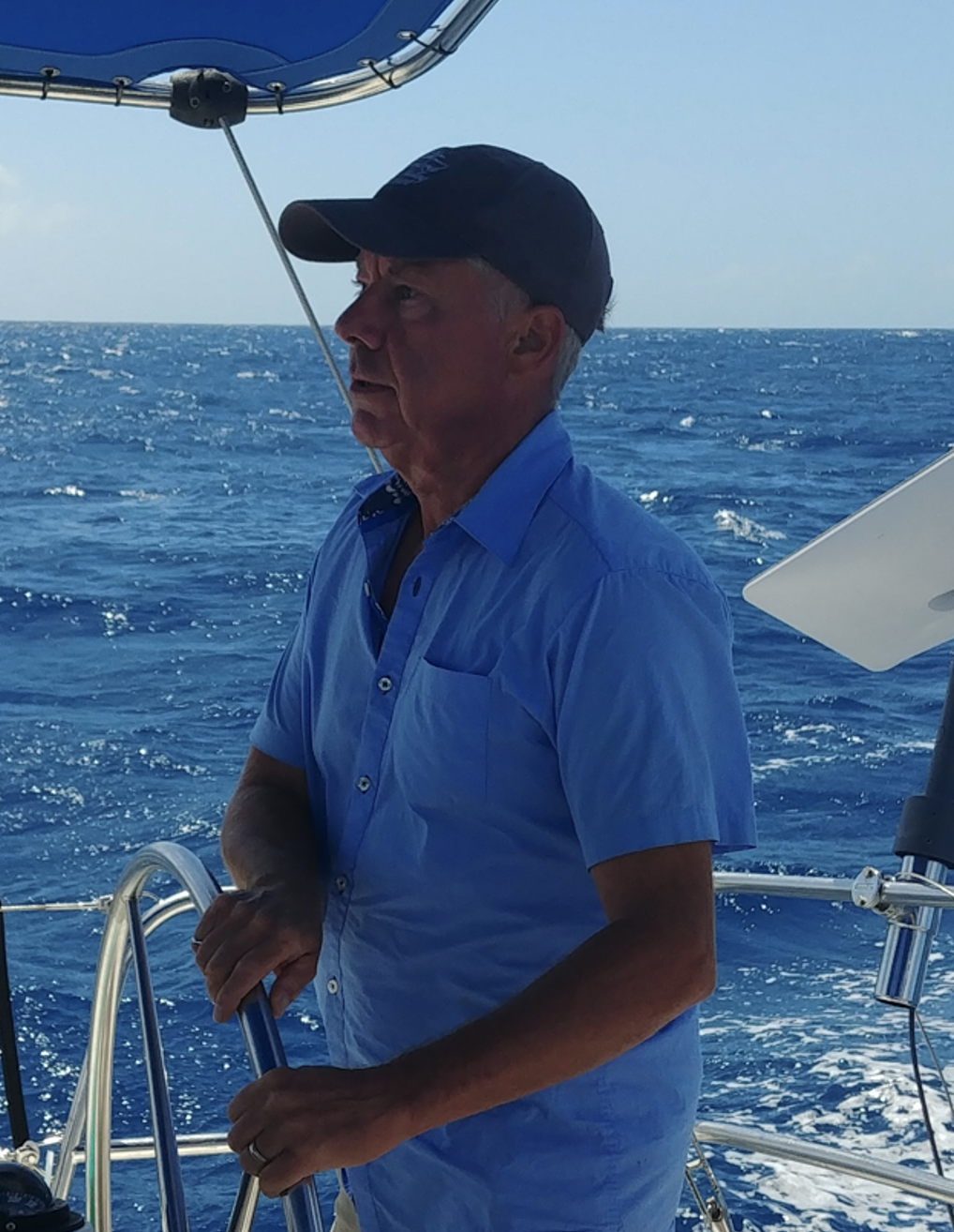
Dr. Dan Walker is an Associate Professor of Ocean and Naval Architectural Engineering at Memorial University of Newfoundland and Labrador. Prior to joining academia, he was President of Oceanic Consulting Corporation, a firm specializing in the performance prediction of ships, boats and offshore structures using physical and numerical modelling. His current research interest is in the safety of fishing vessels. Prior research includes autonomous underwater vehicles, hydrodynamics and cavitation.
Dr. Walker is a professional engineer and has a bachelor’s degree in naval architectural engineering and a doctorate in ocean engineering, both from Memorial University. A lifelong sailor, when he is not teaching courses in marine engineering, small craft design and naval architecture, he can often be found sailing around the windward islands of the Caribbean or Newfoundland.
-
Glenn Walters
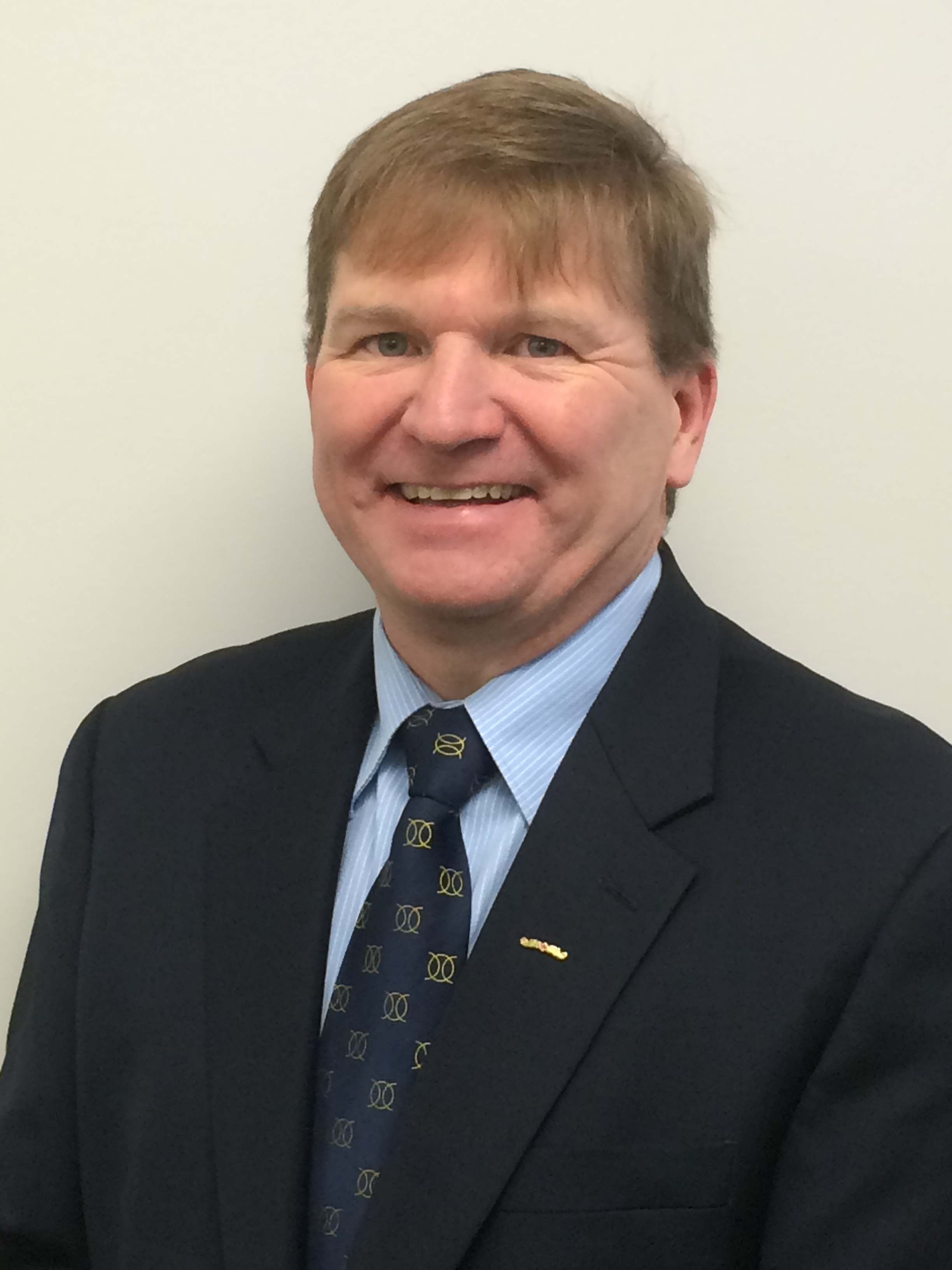
Glenn Walters is a respected and experienced Technical and Program Manager with a balanced Systems Engineering, Systems Integration and operational background. Glenn has demonstrated the ability to creatively align stakeholders’ expectations to deliver complex, pan-organizational, dynamic and time critical solutions. With more than 35 years of experience at increasing levels of management in naval engineering, both nationally and internationally, Glenn has grown and sustained long-term relationships at all levels of government, military and industry. Glenn is a retired Royal Canadian Navy Naval Technical Officer, who served at sea as a submarine Marine Systems Engineering Officer. Glenn has been involved in all aspects of System Integration from preliminary concept development through to ship implementation, performance trials and sustainment support for all systems. Glenn is Fellow of the Society of Naval Architects and Marine Engineers (FSNAME) and a volunteer member of the SNAME Council, as the Functional Vice-President Membership. Glenn has planned and executed numerous SNAME technical workshops and is a long-time member of the MARITECH Planning Committee. Glenn is a licensed Professional Engineering (P.Eng.) in Ontario and a Certified Project Management Professional (PMP). Glenn graduated 1987 from the Royal Military College in Mechanical Engineering (1987) and University College London with Master of Science in Marine Engineering (1996).